BARRIO GUIDES
Buenos Aires isn't one city. It's dozens of neighborhoods, each with its own story.
The history and character behind six of Buenos Aires' most distinctive barrios.
Every barrio here has its own founding story, its own wave of immigrants, its own reason for looking the way it does. This page is just that: history and context, not a list of places to eat. Get to know a neighborhood before you ever ask us to plan a trip around it.

SIX NEIGHBORHOODS, SIX STORIES
Real history, not a recommendation.
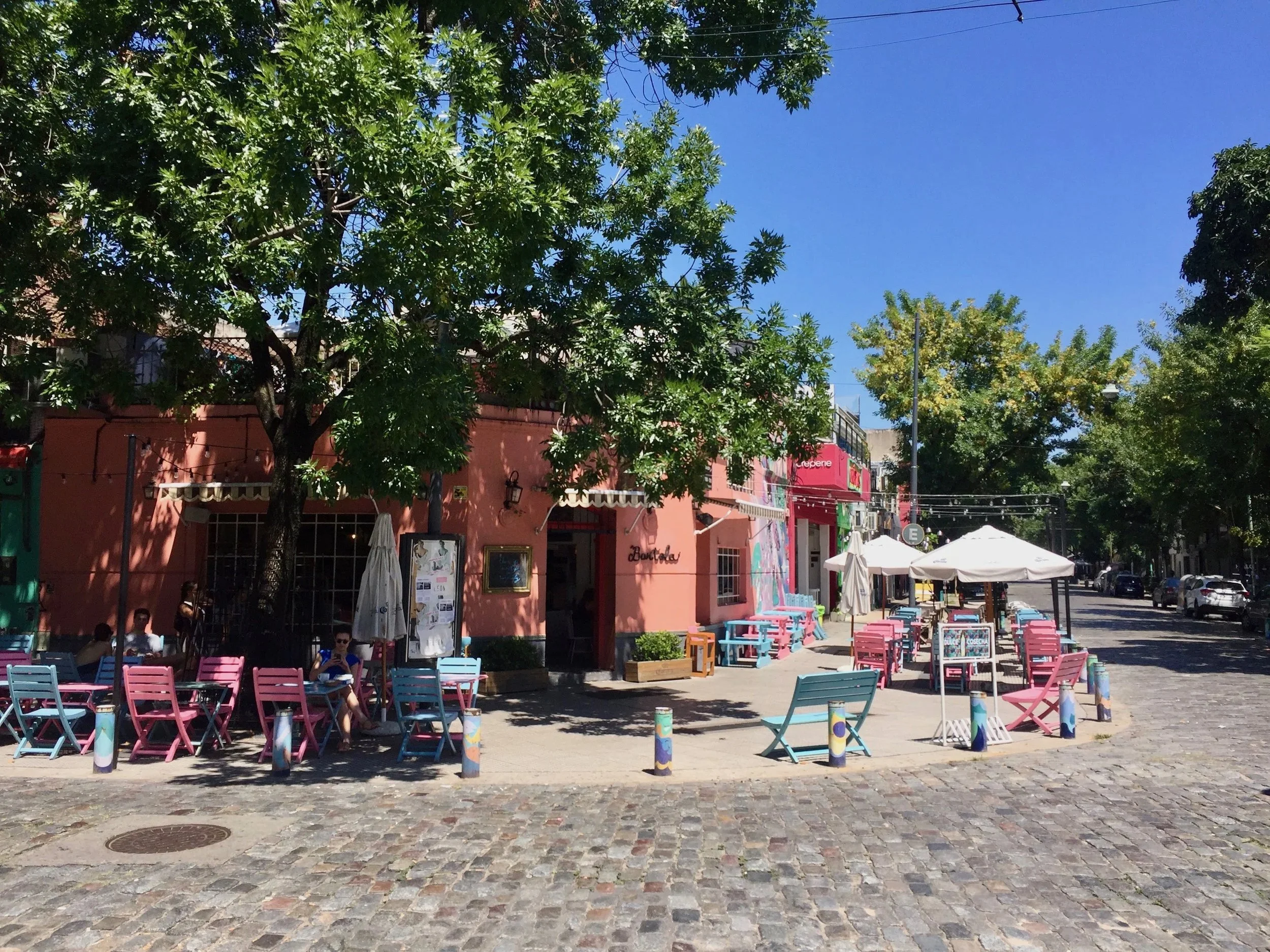
Palermo
The Barrio that keeps multiplying
Buenos Aires' largest neighborhood, so large that locals keep inventing new names for pieces of it: Soho, Hollywood, Chico, Nuevo Chico, Las Cañitas.
Its wooded parks and rose gardens were largely laid out in the early 1900s by French landscape architect Charles Thays.
Home to MALBA, one of Latin America's leading modern art museums.
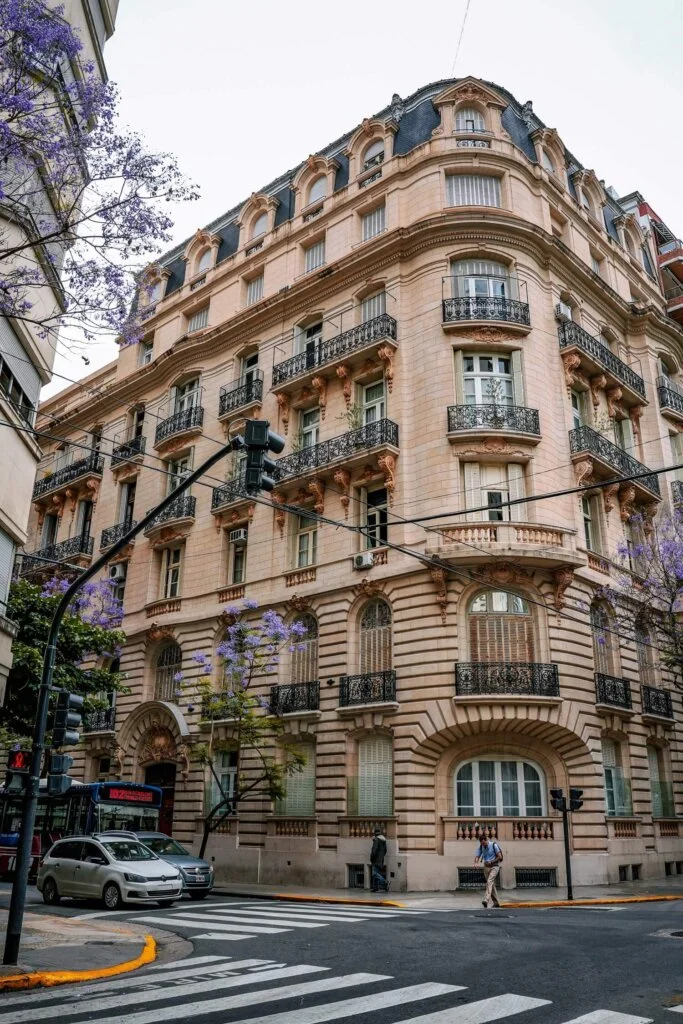
Recoleta
Where BuenosAires became “The Paris of South America”
Named for a Recollect Franciscan convent built here in the early 1700s.
Wealthy families moved here en masse after a yellow fever epidemic hit the lower parts of the city in 1871; the higher ground was believed to be safer.
Its cemetery, opened in 1822, holds Eva Perón and much of Argentina's historical elite. Nearby, a rubber tree planted in 1791 still spreads more than 50 meters wide.
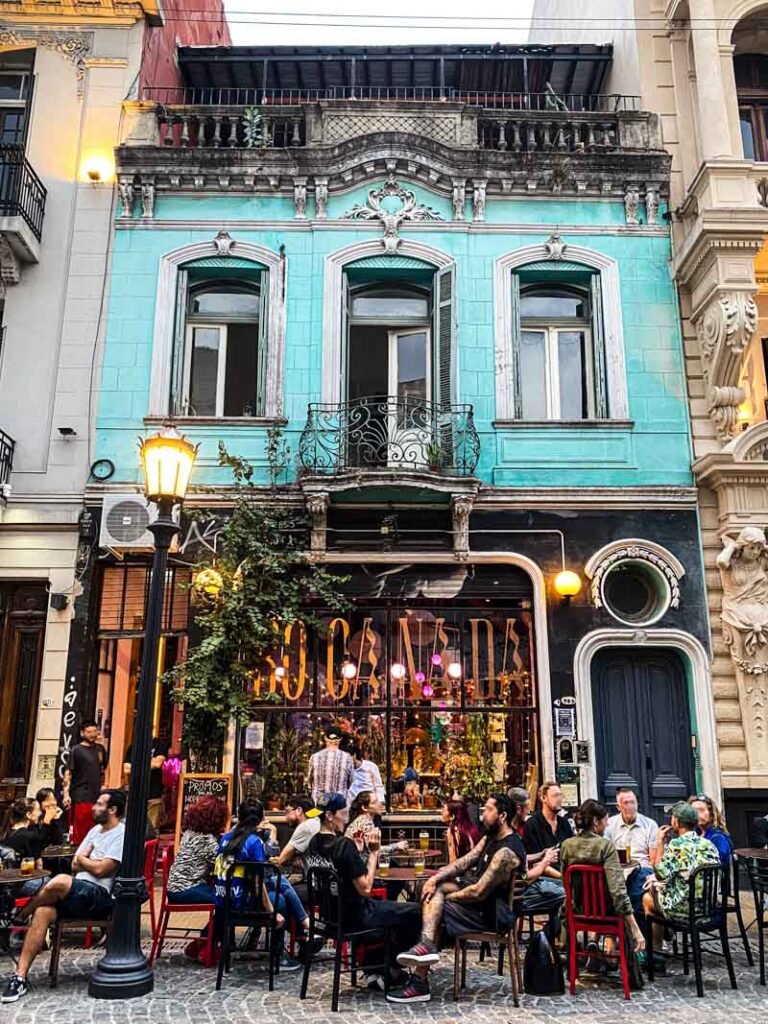
San Telmo
The oldest barrio in the city
Grew out of a 17th-century dockworkers' district and was formally incorporated in 1708, making it the oldest recognized barrio in Buenos Aires.
Named after Pedro González Telmo, patron saint of sailors.
The same 1871 epidemic that emptied Recoleta's wealthier blocks refilled San Telmo with European immigrant families, helping give rise to tango.
The Sunday antiques fair in Plaza Dorrego has been running since the 1970s.
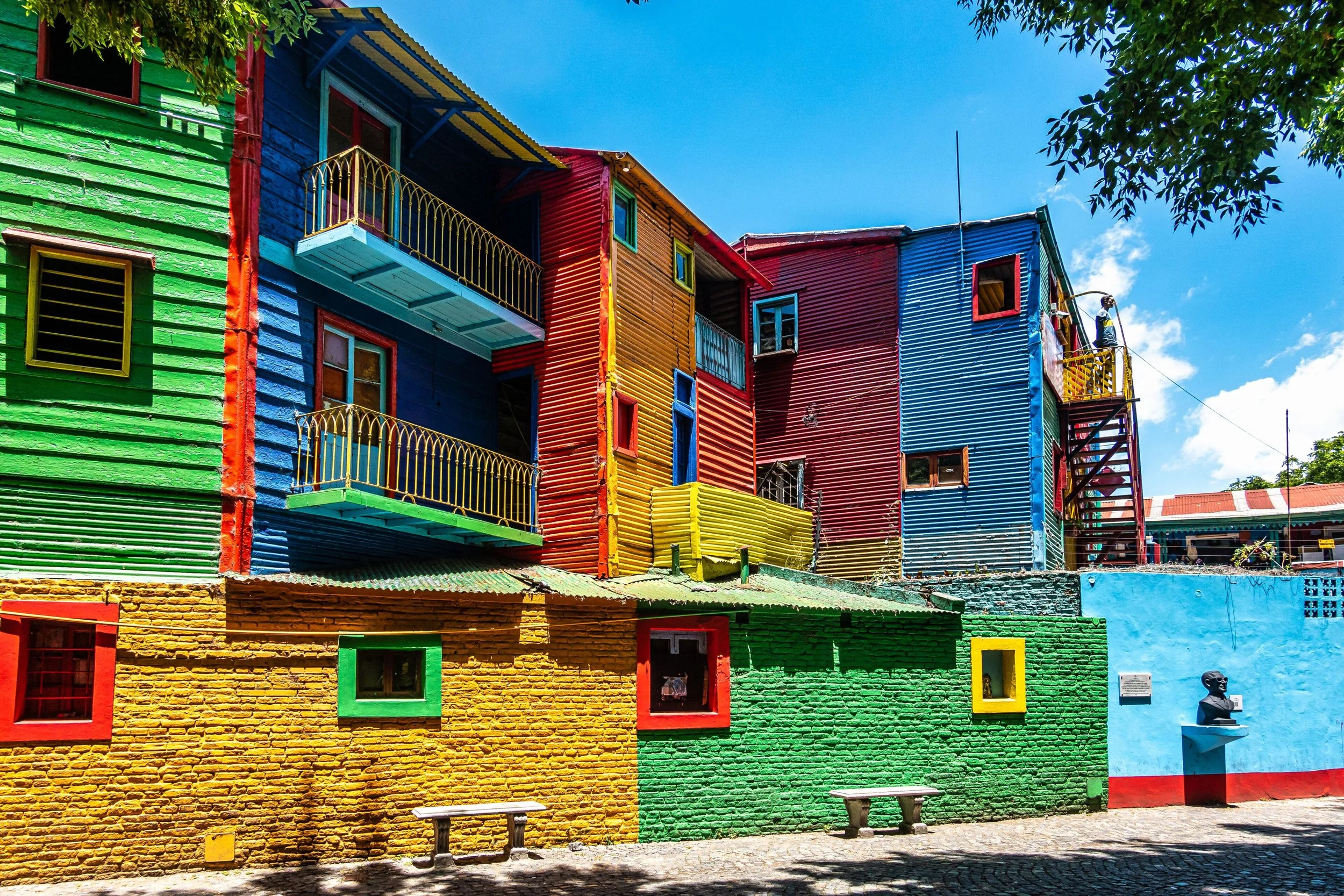
La Boca
Painted with whatever paint was left over
Named for its spot at the mouth (la boca) of the Riachuelo river, where Genoese immigrants began settling around 1830.
The famous rainbow-colored houses started as a practical habit: dockworkers built homes from scrap ship metal and painted them with whatever leftover marine paint was on hand.
That same immigrant mix helped give rise to tango and lunfardo, the local slang born from the Italian dialects immigrants used to communicate.
Boca Juniors, one of Argentina's most storied football clubs, still carries the nickname "Los Xeneizes," Genoese.
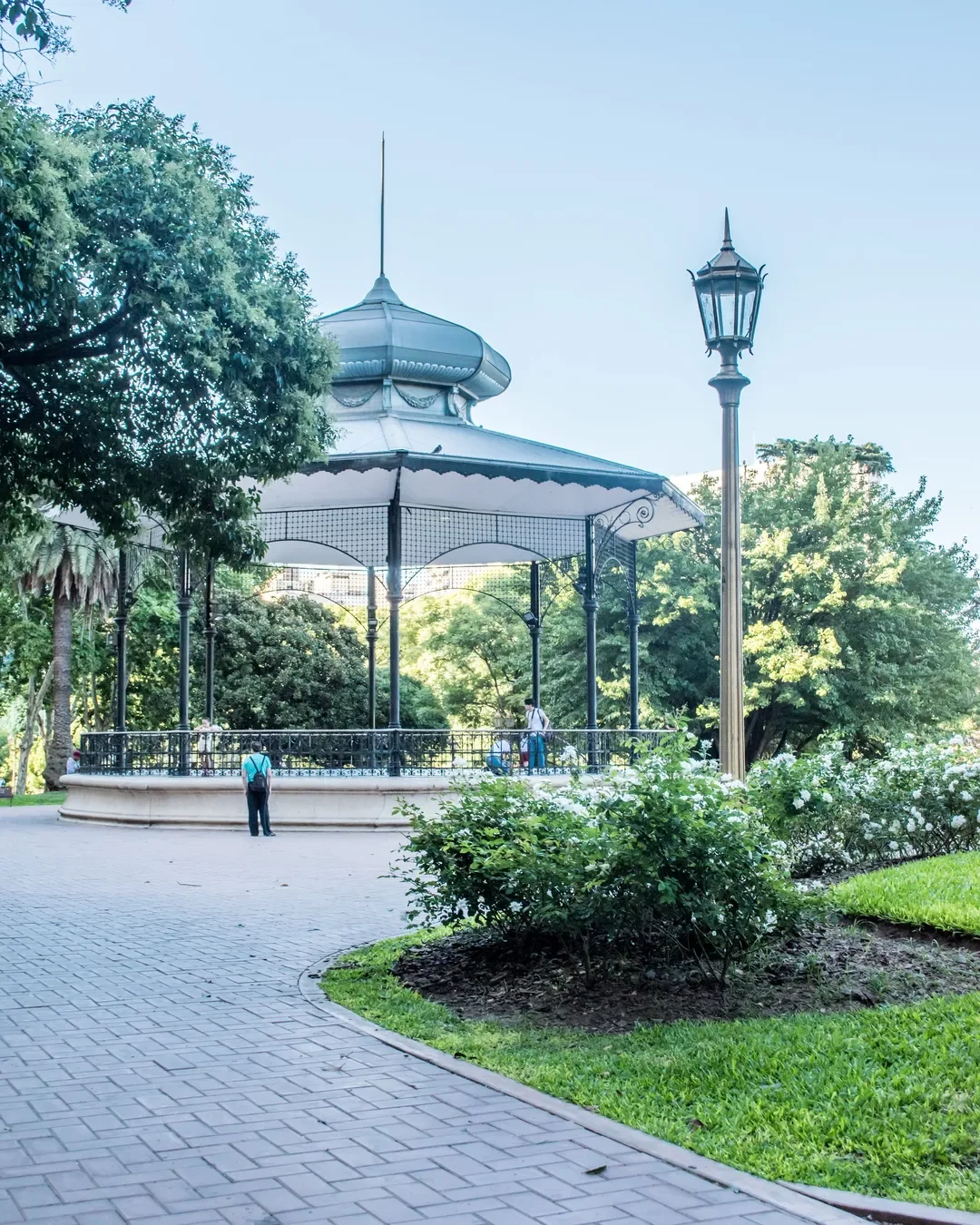
Belgrano
Named after the man who designed the flag
Named for Manuel Belgrano, the military leader who designed Argentina's national flag. The town was founded in 1855 on land once owned by Juan Manuel de Rosas.
It briefly served as Argentina's de facto capital in 1880, before being folded into the federal district in 1887.
Its leafy Barrancas de Belgrano park was designed by the same Charles Thays responsible for much of Palermo's greenery.
It's also home to the city's Chinatown (Belgrano C).
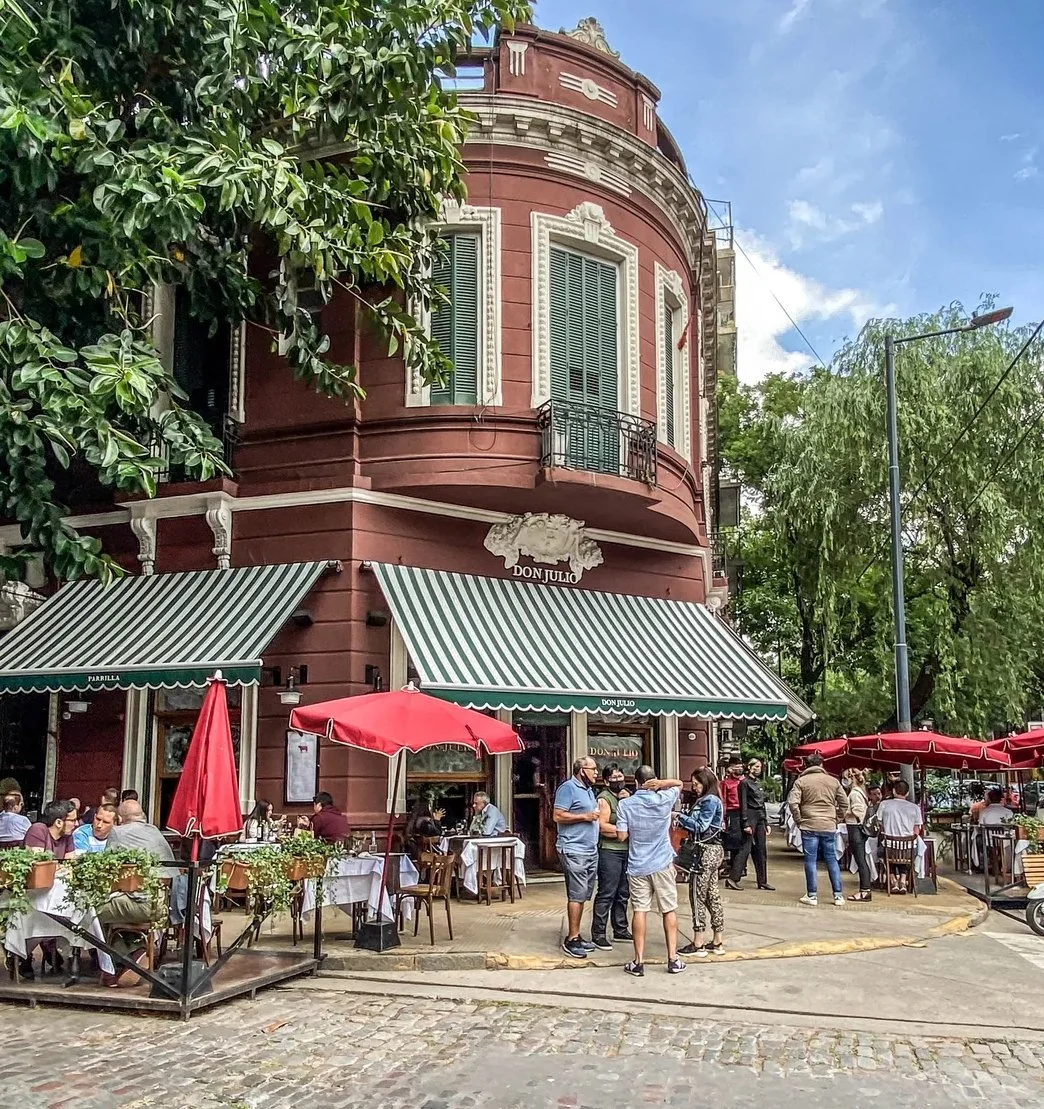
Villa Crespo
The barrio that refused a rebrand
Grew up around a national shoe factory founded in 1888 that drew Italian, Spanish, Jewish, and Arab immigrant workers.
Leatherworking never left: Calle Murillo is still lined with leather shops today.
Tango composer Osvaldo Pugliese, son of a local shoemaker, has an actual shrine at a nearby intersection.
When developers tried rebranding the area "Palermo Queens," residents pushed back and kept the name Villa Crespo.
If one of these neighborhoods has you curious about seeing it in person,
that's exactly what Bespoke Private Travel is for.
Still deciding? Contact us — we read every message ourselves.